Insight: It is about perceived worth, justification and the role a product plays in someone’s life.We often assume that when consumers say, “I can’t afford it,” the conversation is about price.But sometimes, it isn’t.Sometimes what the consumer is really saying is: “I can’t justify spending my money on it.”There is an important difference.In a tough...Continue Reading
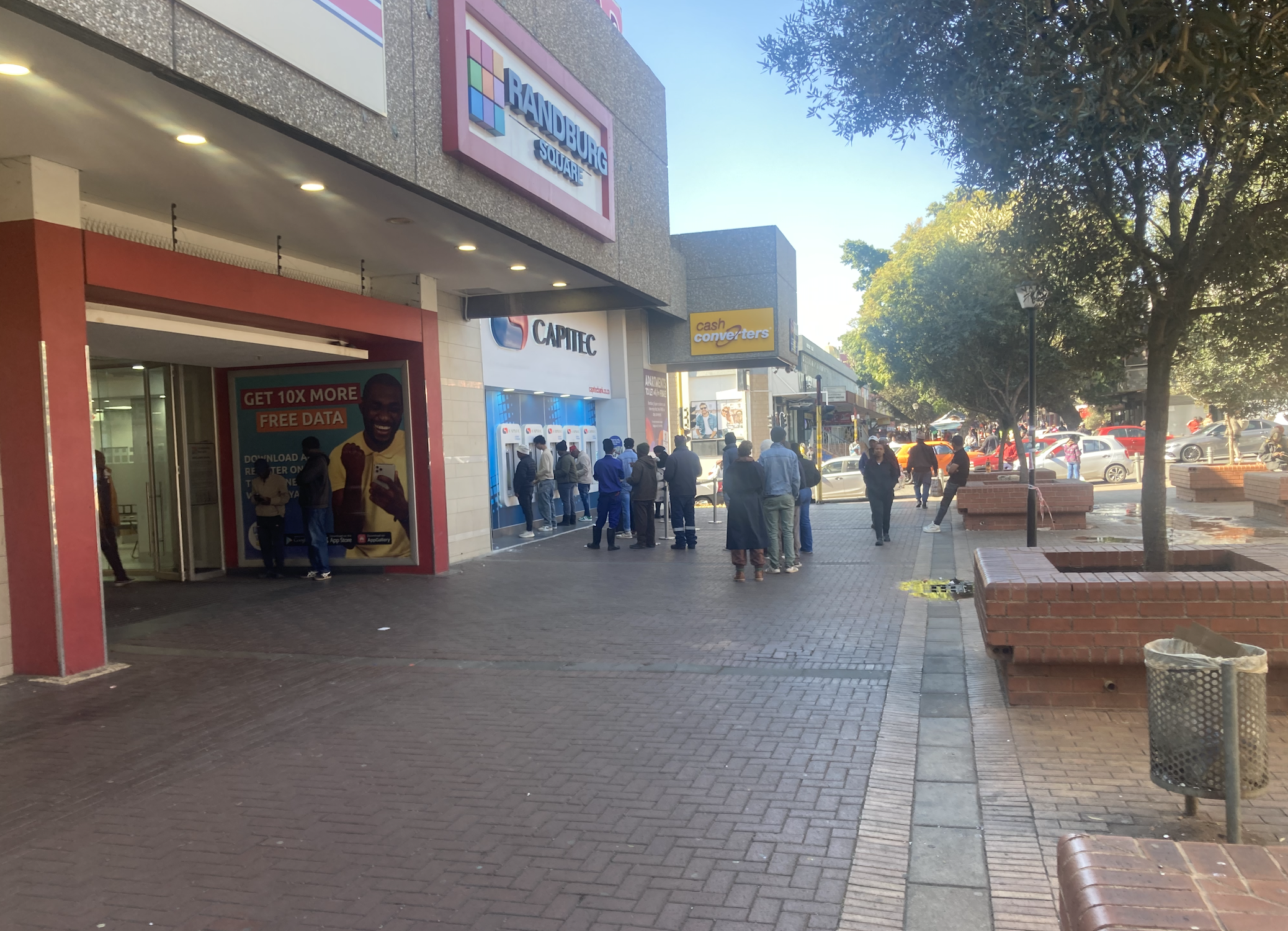
“Taxi Ranks: South Africa’s Largest Consumer Marketplace,” where you can explore how commuters engage with brands, retailers, informal traders and media during their journeys.Taxi ranks are rarely thought of as marketplaces. They are commonly viewed as transport interchanges—places where commuters board taxis and continue their journeys. Yet beneath this functional purpose lies one of South...Continue Reading
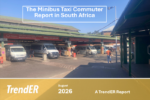
The South African minibus taxi industry represents one of the country’s most remarkable examples of an informal economy functioning at scale. Every day, millions of people rely on it because it consistently delivers what matters most: accessibility, availability, and the ability to reach almost any destination. Understanding this ecosystem is essential for understanding the South...Continue Reading
Our exploration of cultural relevance focused on two key dimensions that are shaping modern South African consumer culture: youth culture and mass market culture. While culture has many layers, these two areas emerged as the strongest indicators of how consumer behaviour, communication, and brand perceptions are evolving.The first dimension is youth culture, arguably the fastest-evolving...Continue Reading
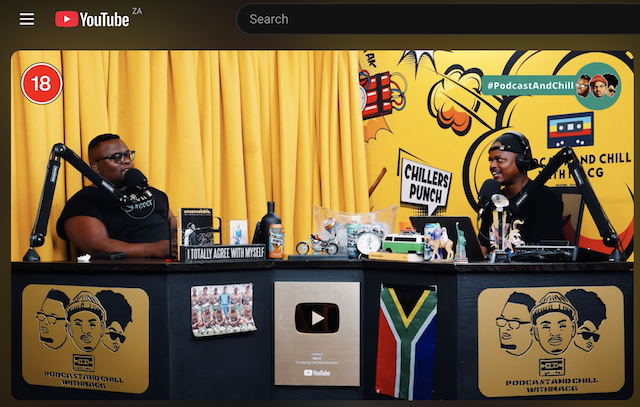
Mogorosi Mashilo, Founder and Director of TrendER, was invited as a panel expert on CNBC Africa’s Marketing, Media & Money programme to discuss Business Insights on Loyalty Programmes. During the discussion, he shared strategic perspectives on how loyalty programmes have evolved beyond simple rewards mechanisms into powerful business tools that influence consumer behaviour, strengthen customer...Continue Reading
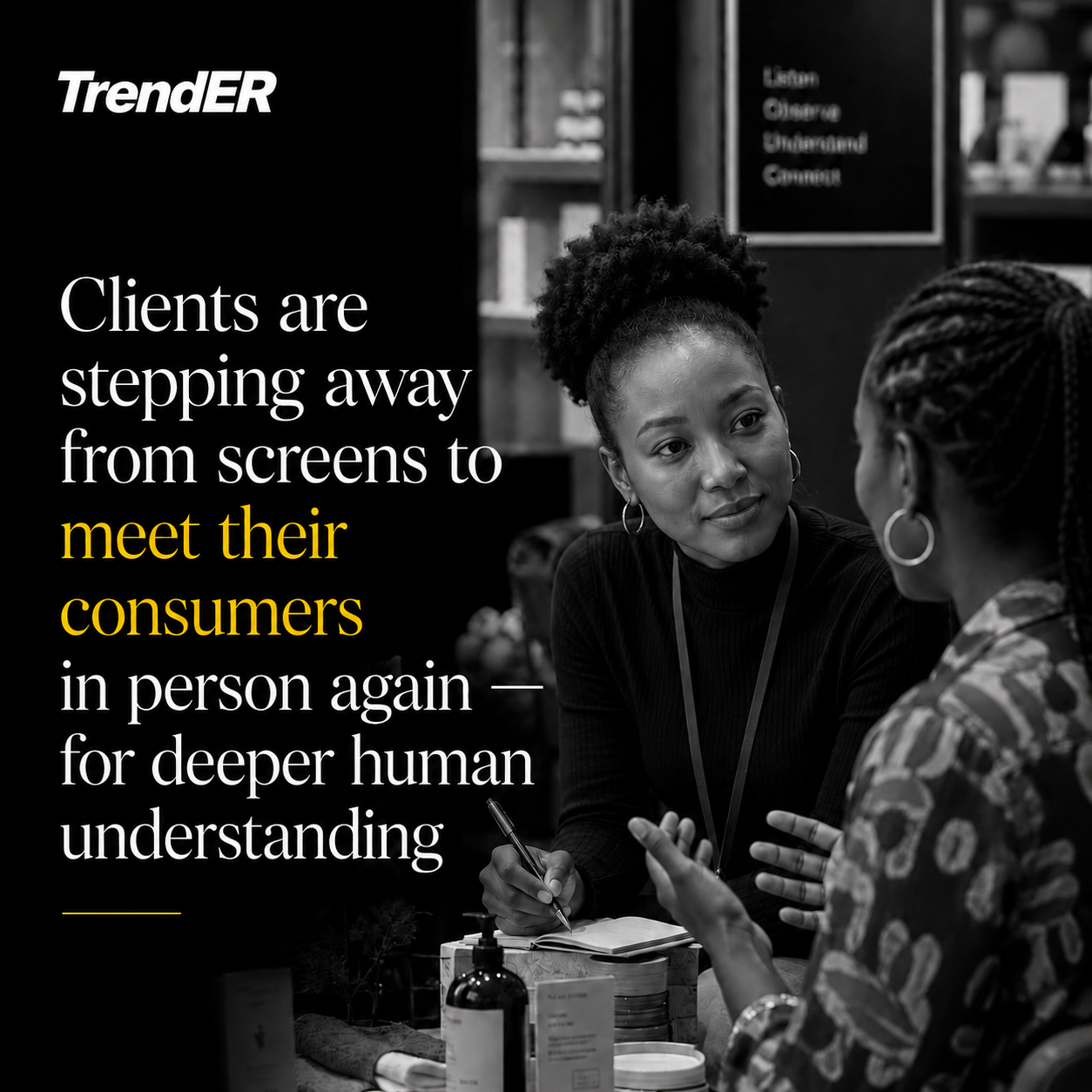
In recent years, many focus groups shifted from in-person sessions to online formats, driven first by the realities of the COVID-19 pandemic and later by the convenience that virtual research offers. Online groups have undoubtedly made research more accessible, efficient, and easier to coordinate. Yet despite these advantages, nothing can fully replace the human element...Continue Reading
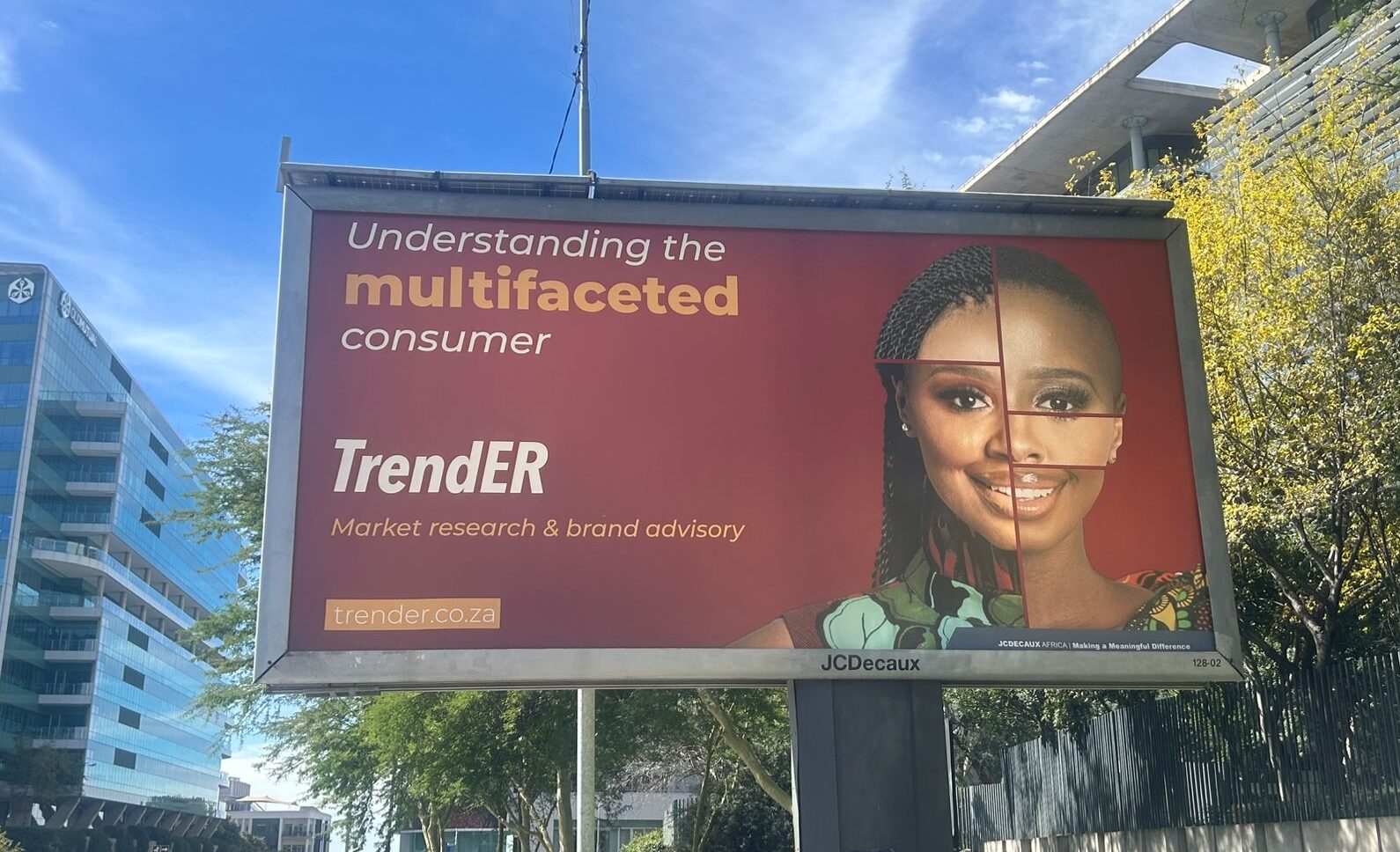
Understanding the Multifaceted Consumer: Consumers Beyond Data Points Consumers are not as homogeneous as brands sometimes assume them to be. Their worlds are complex, layered and constantly evolving. An individual is not defined by only one aspect of their life. They are shaped by many touchpoints, roles, environments and life experiences. They may be a...Continue Reading
For years, brand health has been measured through a familiar lens: awareness, consideration, and preference. These metrics have long served as the backbone of brand tracking studies. But in African markets—particularly in South Africa—this model is no longer enough. Because being known is not the same as being chosen. The Problem with Awareness-Led Thinking Awareness...Continue Reading
For years, marketers have focused on understanding the consumer. but in 2026, there’s a new question: Are you marketing to the consumer—or to the technology advising them? Because increasingly, the decision-making process is no longer human-only, it is AI-assisted. The New Decision-Making Journey: Traditionally, the consumer journey looked like this: Awareness → Consideration → Purchase...Continue Reading
For decades, brands controlled discovery. Media budgets dictated visibility. Creative dictated perception. And consumers followed. That model is broken. Today, discovery doesn’t start with brands—it starts with people, platforms, and communities. Social media has effectively become the new search engine, with consumers turning to platforms like TikTok, Instagram, and YouTube as their first point of...Continue Reading