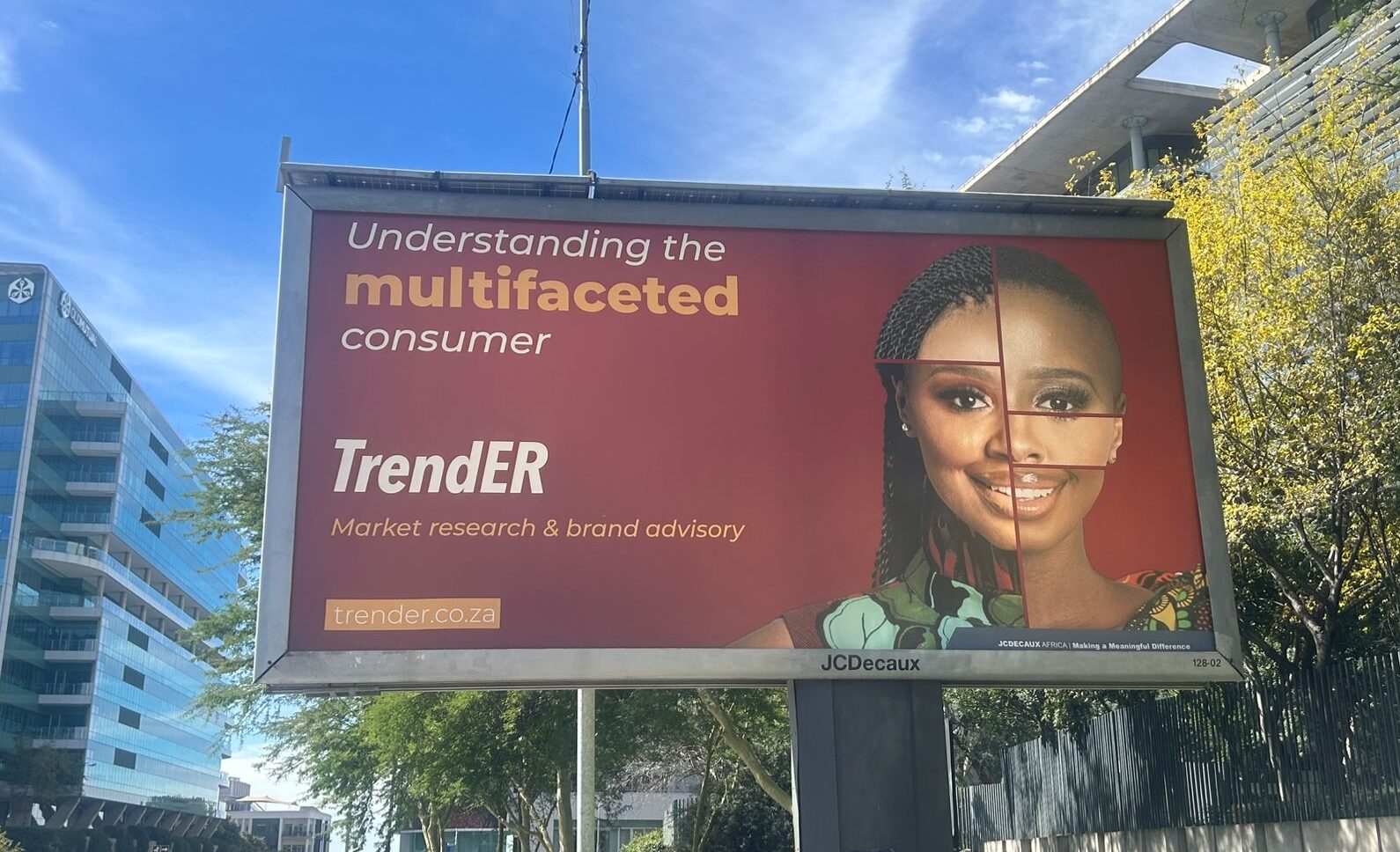
Understanding the Multifaceted Consumer: Consumers Beyond Data Points
Consumers are not as homogeneous as brands sometimes assume them to be. Their worlds are complex, layered and constantly evolving.
An individual is not defined by only one aspect of their life. They are shaped by many touchpoints, roles, environments and life experiences. They may be a parent, a professional, a friend, a community member, a digital creator, a cultural participant and an aspirational consumer — all at the same time.
This is why understanding consumers requires more than looking at demographics, income brackets or surface-level behaviours. Behind every data point is a human story. And that story is rarely one-dimensional.
The South African consumer context
In South Africa, this complexity is especially visible.
Many mass-market millennials were born and raised in township environments, but have since moved into suburbs and more urban parts of our cities. However, this does not mean they have left behind their upbringing, culture, identity or consumer habits.
A consumer may live in the suburbs, drive a luxury car and work in a corporate environment — but still spend weekends at a chisa nyama or car wash in the township, enjoying pap, braai meat and time with their community.
This is not a contradiction. It is a reflection of the duality that defines many South African consumers today.
They are not simply “traditional” or “modern”. They are both. They carry the influence of where they come from, while also embracing where they are going.
For brands, this means we cannot define consumers only by where they live now, what they earn, or what lifestyle segment they appear to fit into. We need to understand the cultural connections, emotional anchors and social environments that continue to shape their choices.
Life stage does not define the whole person
As people grow older and move through different life stages, their realities naturally change. They may get married, have children, build careers, start businesses or take on new responsibilities.
But a new life stage does not erase the person they were before.
Take motherhood as an example. When a woman becomes a mother, it does not mean brands should suddenly speak to her only through “mom” products, parenting messages or family-based communication.
She is still a friend.
She is still a professional.
She still has aspirations.
She still wants style, confidence, enjoyment, ambition and personal identity beyond motherhood.
The same applies to fathers, young professionals, entrepreneurs, students and older consumers. Life stage matters, but it is not the full picture.
Aspirations are shaped by many things: attitude, status, lifestyle, culture, confidence, personal goals and social identity. When brands reduce consumers to one label, they risk missing the deeper motivations that drive connection and choice.
Online and offline identities
One of the clearest examples of consumer complexity is the difference between online and offline identity.
On social media, people often show the most aspirational side of their lives. Instagram, TikTok and other platforms can become spaces where consumers present their best moments, their desired lifestyle and sometimes even an idealised version of who they are.
But offline life is often more grounded. It includes everyday responsibilities, financial pressures, family expectations, cultural obligations and practical decision-making.
This does not mean one identity is fake and the other is real. Both can be true.
The online self may reflect aspiration.
The offline self may reflect reality.
Together, they give brands a fuller view of the consumer.
For brands, the challenge is to understand both sides. Sometimes you need to speak to the consumer’s ambition and self-expression. Other times, you need to speak to their practical needs, values and everyday life.
The strongest brands know how to connect with both.
The consumer’s world is not singular
A consumer’s world is not built around one brand, one need or one insight.
No brand can fulfil every part of a consumer’s life. People move between different worlds every day: work, home, family, culture, entertainment, spirituality, friendship, community, money, status, health and digital identity.
The role of a brand is not to own the consumer’s entire world. It is to understand which part of that world it has permission to enter — and how it can add meaning there.
This requires brands to ask better questions.
Not only:
Who is the consumer?
But also:
What role are they playing in this moment?
What tension are they navigating?
What aspiration are they reaching for?
What cultural codes are shaping their behaviour?
What part of their world does our brand belong in?
When brands understand this, they can move from broad assumptions to sharper, more human insight.
Looking beyond the data
At TrendER, we believe consumer understanding must go beyond data.
Data can show us what people do. But it does not always explain why they do it, what it means to them, or how their choices are shaped by culture, emotion and context.
That is why we look beyond the numbers to decode the human stories behind them.
Every data point opens a door into a wider consumer world. Behind each response, behaviour or trend is a person with history, identity, aspiration, pressure, culture and meaning.
To understand today’s consumer, brands must stop seeing people as fixed segments and start seeing them as multifaceted human beings.
Because consumers are not just data points.
They are stories in motion.