For decades, brands controlled discovery. Media budgets dictated visibility. Creative dictated perception. And consumers followed.
That model is broken.
Today, discovery doesn’t start with brands—it starts with people, platforms, and communities.
Social media has effectively become the new search engine, with consumers turning to platforms like TikTok, Instagram, and YouTube as their first point of discovery for products, services, and even opinions. But more importantly, they are not searching for brands—they are searching for voices they trust.
And those voices don’t belong to agencies.
From Campaigns to Communities:
The biggest shift isn’t just the rise of influencers—it’s the rise of communities as media channels.
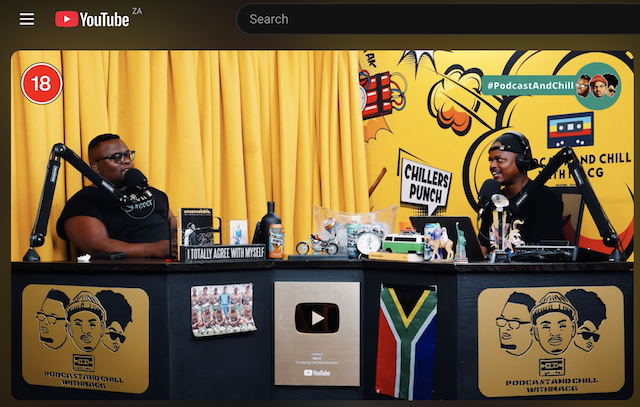
Take MacG’s Podcast and Chill Network as an example. What started as a podcast has evolved into a cultural platform shaping conversations, narratives, and even public opinion in South Africa. This is not “influencer marketing.” This is community-powered influence.
These platforms:
- Build loyal audiences over time
- Create culturally relevant conversations
- Operate with authenticity brands struggle to replicate
And importantly, they don’t just distribute content—they shape perspective.
South Africans are no longer waiting for brands or traditional media to tell their stories.
They are building their own ecosystems, narratives, and cultural moments—on their own terms.
In South Africa alone, the influencer economy has grown into a multi-billion rand ecosystem, with over 150,000 active creators shaping consumer decisions daily. Source: StateGlobe
This isn’t a trend—it’s a structural shift in how influence works.
And brands that fail to understand the difference between the two will continue to invest in visibility—while losing relevance.
This isn’t a trend—it’s a structural shift in how influence works.
Because influence today is:
- Earned, not bought
- Contextual, not interruptive
- Relational, not transactional
The Real Shift: Control Has Moved
What’s really changed is not just where discovery happens—but who controls it.
Brands used to:
- Own the message
- Control distribution
- Define the narrative
Now:
- Creators interpret the message
- Algorithms control distribution
- Communities shape the narrative
Even large global brands are responding—shifting budgets toward creator ecosystems and long-term partnerships rather than traditional campaigns.
What This Means for Brands
The implication is uncomfortable but necessary, You are no longer the most important voice in your own brand story.
Winning brands in this era will:
- Build with communities, not for them
- Prioritise relevance over reach
- Partner with creators who already own attention
Because in today’s landscape, attention is rented—but trust is borrowed.
At TrendER, we believe this is the defining shift:
Discovery is no longer driven by exposure.It is driven by belonging. And brands that fail to understand the difference between the two will continue to invest in visibility—while losing relevance.