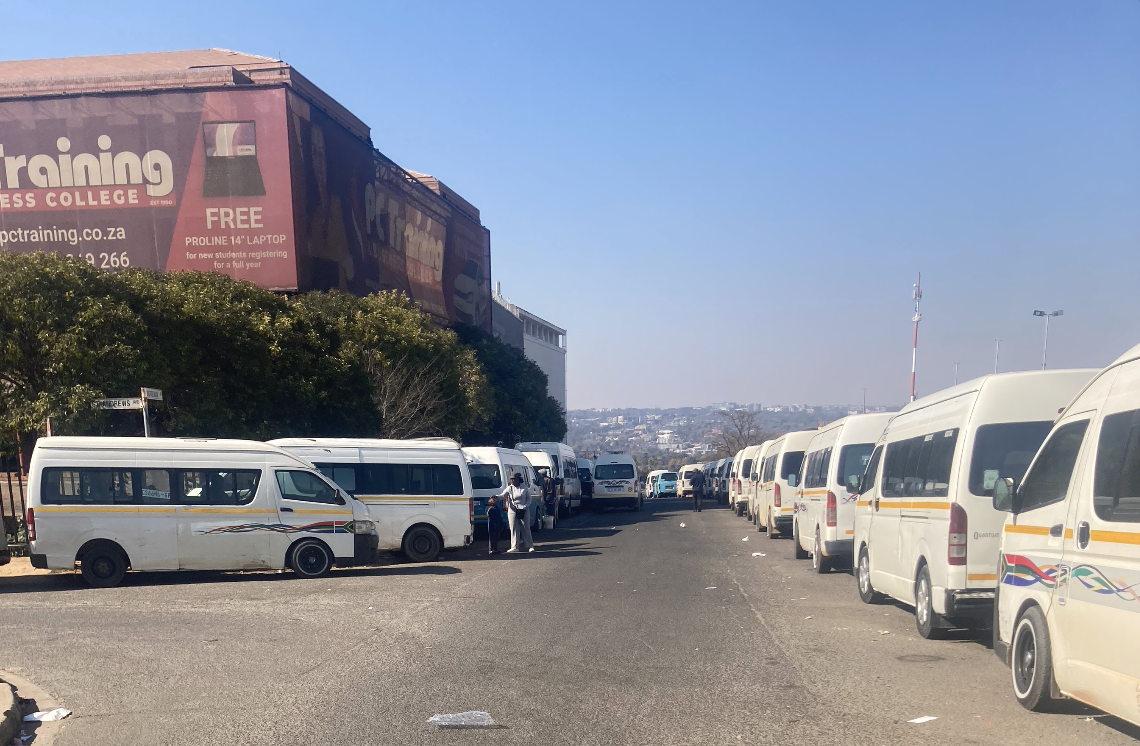
The South African minibus taxi industry represents one of the country’s most remarkable examples of an informal economy functioning at scale. Every day, millions of people rely on it because it consistently delivers what matters most: accessibility, availability, and the ability to reach almost any destination. Understanding this ecosystem is essential for understanding the South African consumer. The daily commute is not simply about transportation—it is a living marketplace, a social environment, and a powerful reflection of how consumers manage their time, spend their money, and navigate everyday life.
For millions of South Africans, the daily commute is far more than a journey between home and work—it is an integral part of everyday life that shapes routines, purchasing behaviour, time management, and consumer experiences. The commute is where consumers begin their day, interact with brands, make purchasing decisions, consume media, and navigate the realities of South Africa’s unique transport landscape.
While formal transport systems such as buses, trains and e-hailing services operate according to fixed schedules and predefined routes, South Africa’s minibus taxi industry functions differently. Rather than relying on timetables, the system is built on frequency. Taxis continuously move between destinations, stopping wherever passengers need to board or alight. The objective is simple: maximise passenger movement by ensuring there is almost always a taxi available. This fluid operating model allows the industry to respond dynamically to commuter demand throughout the day.
This constant movement, however, creates visible tension on South African roads. Private motorists often become frustrated by taxis stopping unexpectedly, using yellow lanes, or merging aggressively into traffic. While these behaviours are frequently viewed as disorderly from the outside, they are largely driven by the industry’s need to maintain frequency, minimise waiting times, and transport as many commuters as efficiently as possible. In a system where every minute matters, time is the industry’s most valuable asset.
For commuters, the journey itself is rarely straightforward. Reaching a destination often requires two or three separate taxi rides, with passengers transferring between routes at busy taxi ranks or informal interchange points. Every trip demands a deep understanding of the network—knowing where to disembark, which taxi to board next, and how different routes connect. Although the system appears informal to outsiders, it operates according to a highly organised internal structure developed over decades through local knowledge, established routes, and coordinated operations.